
In 1926 Dr. Cloyd L. Snyder, a podiatrist from South Bend, Indiana, supposedly got the idea for a single-wing aircraft after noticing the shape and gliding ability of a shoe’s heel lift. So, with the help of others he developed a mono-wing glider which was successfully piloted in 1932 by Glen Doolittle, cousin of the well-known pilot Jimmy Doolittle.
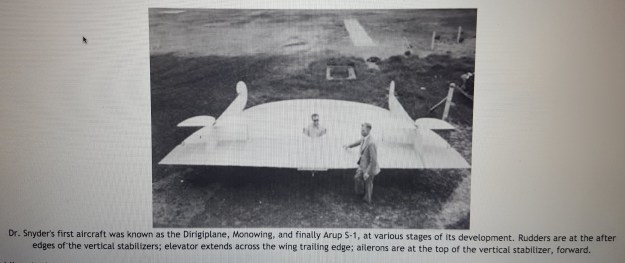
Raul Hoffman, an experienced aircraft engineer, then added a motorcycle motor and stronger landing gear to the glider, which was successfully tested in 1933 by Glen Doolittle. They designated this single-wing aircraft the Arup S-2 for its quick take-off ability, or Air & Up.

“The purpose or purposes for which it is formed are as follows:
- To engage or become engaged generally in the manufacture and sale of aeroplanes, dirigibles, and all other types of flying craft and all parts and accessories thereof including gas bags and balloons.
- To manufacture, purchase, lease or otherwise acquire and/or sell, mortgage, lease or otherwise dispose of any and all kinds of flying machines or motors; to export or import the same and to carry on any trade or business incidental thereto or connected therewith.
- To apply for, purchase or otherwise acquire, hold, own, use, operate, sell, assign or grant or conduct licenses in respect to any and all inventions, improvements and processes used in connection with or secure under letters patent of the United States or elsewhere in the whole world.”
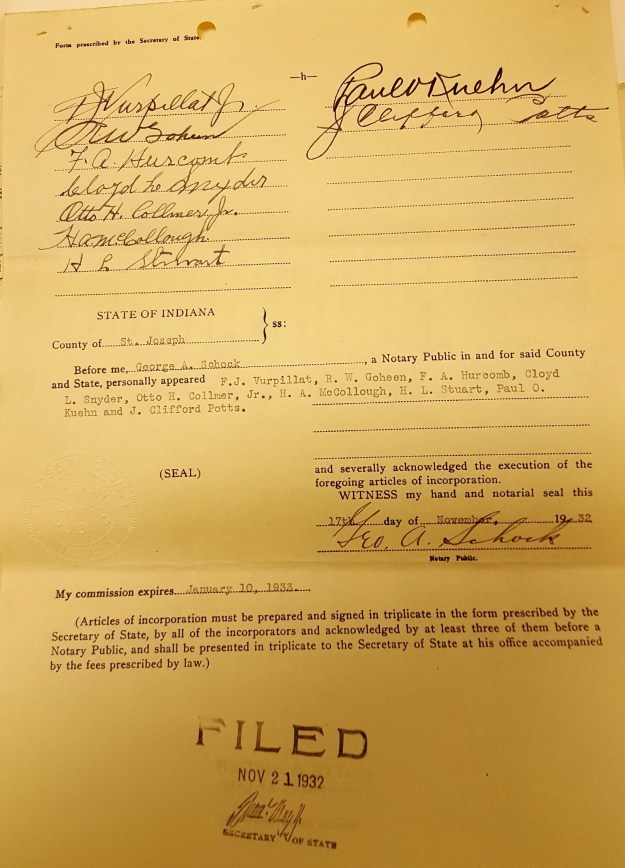
The 1932 investors in this unusual airplane were all South Bend, Indiana, residents. Francis J.Vurpillat was a doctor, Roland W. Goheen a banker, Forbes A. Hurcomb an automobile engineer, Otto H. Collmer, Jr. a tool maker shop owner, Harold A. McCollough a life insurance agent, Paul O.Kuehn a shoe store merchant and J. Clifford Potts an attorney. I couldn’t find anything about H. L. Stuart.
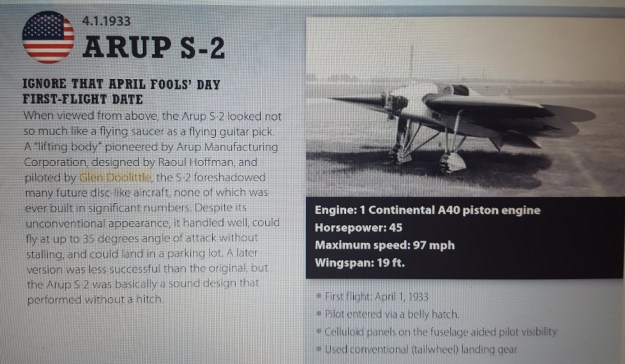 Photo from “365 Aircraft You Must Fly” by Robert F. Dorr
The Arup S-2 was shown off at events like the Indianapolis 500, the 1933 National Air Races, and for the Army, the National Advisory Committee for Aeronautics, and the Civil Aeronautics Authority.
Strangely enough, a modified version called the Arup S-3 was destroyed by arson. A re-engineered version, the Arup S-4, was built on a tight budget and again successfully tested by Glen Doolittle in 1935.
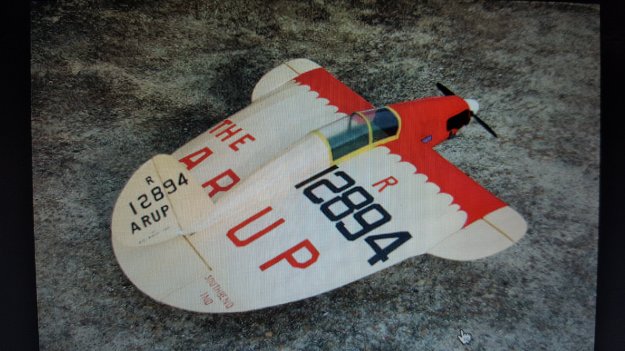

This new and improved model could not be sold to aircraft companies during the Depression. It was mainly flown to advertise the Sears & Roebuck Co., and then was grounded and abandoned during WWII.
Dr. Snyder’s mono-wing airplane was significant as a bold experiment. It later influenced the radical aeronautic designs of Charles H. Zimmerman who interested the U.S. Navy after WWII in his quick take-off mono-wing airplane. But his creative concepts were cancelled with the development of jet aircraft.
by Robert F. Gilyeat, an Indiana State Archives volunteer


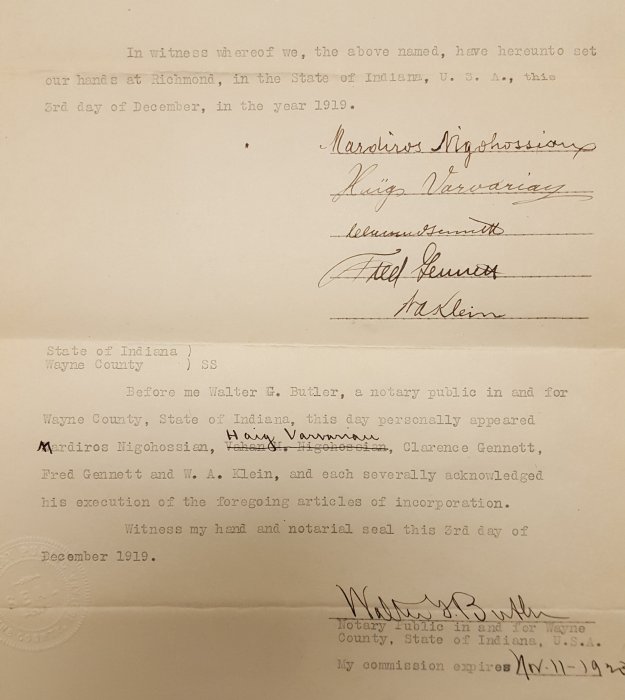

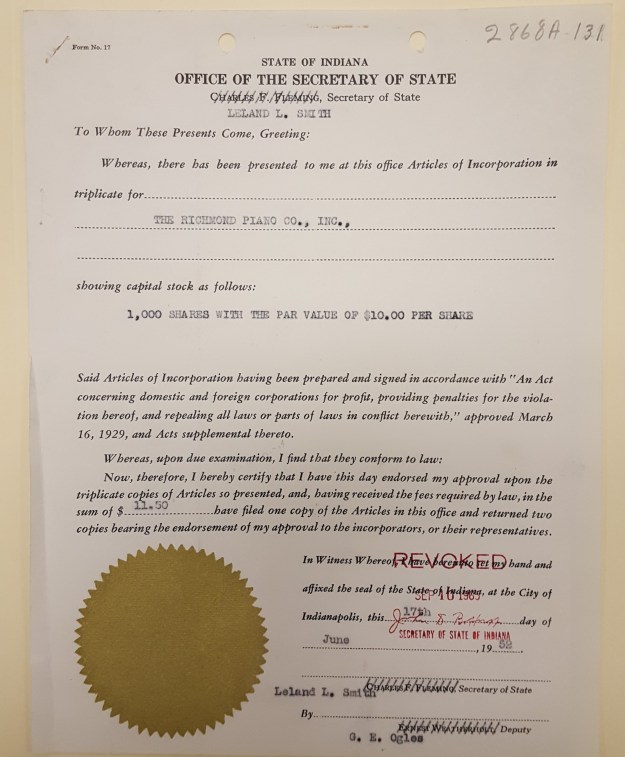
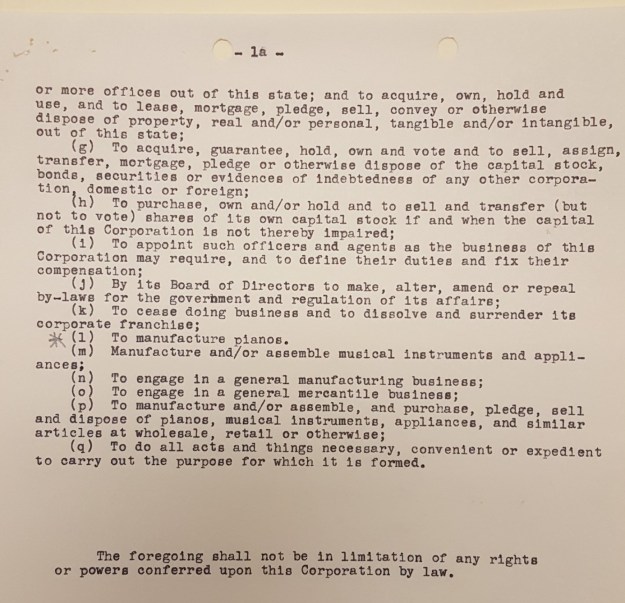
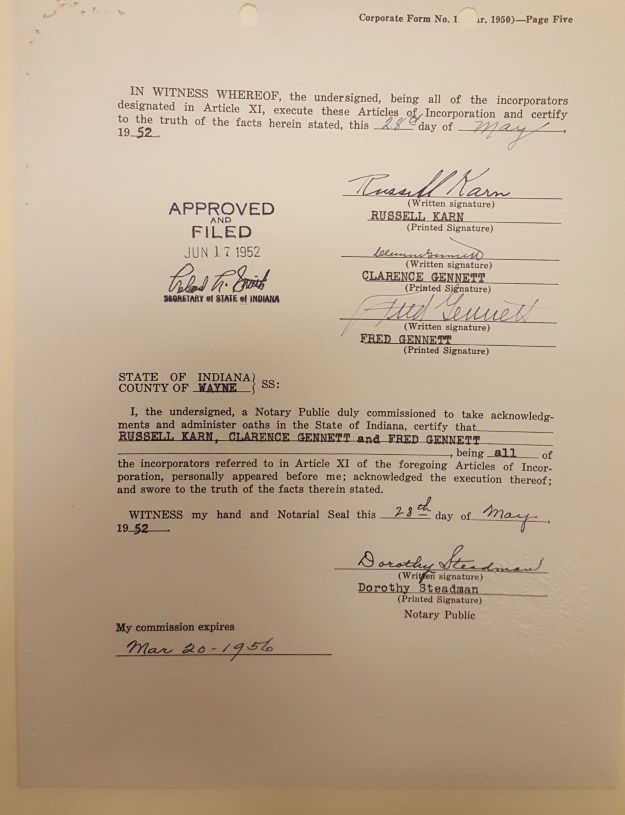

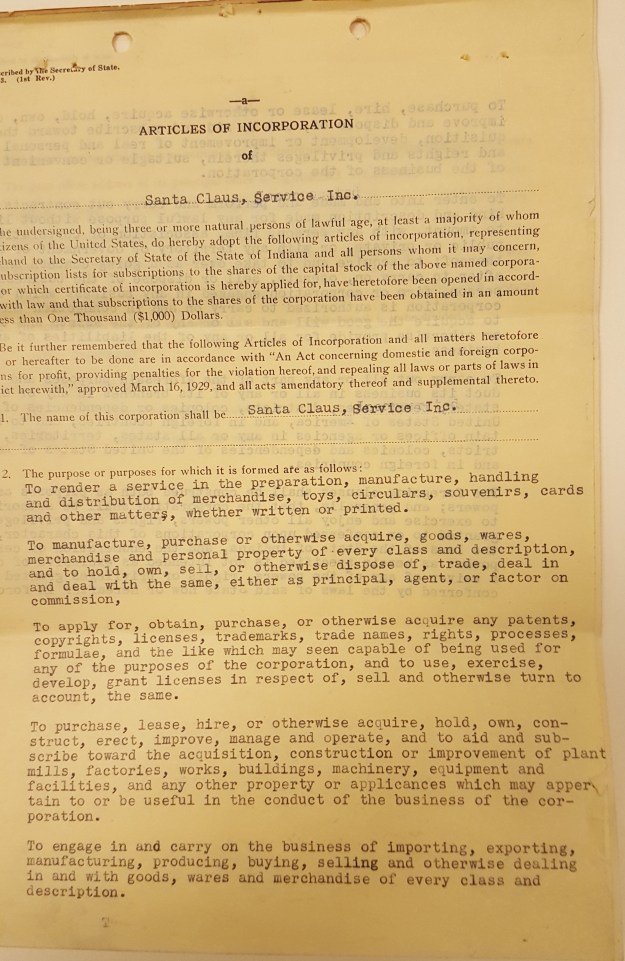
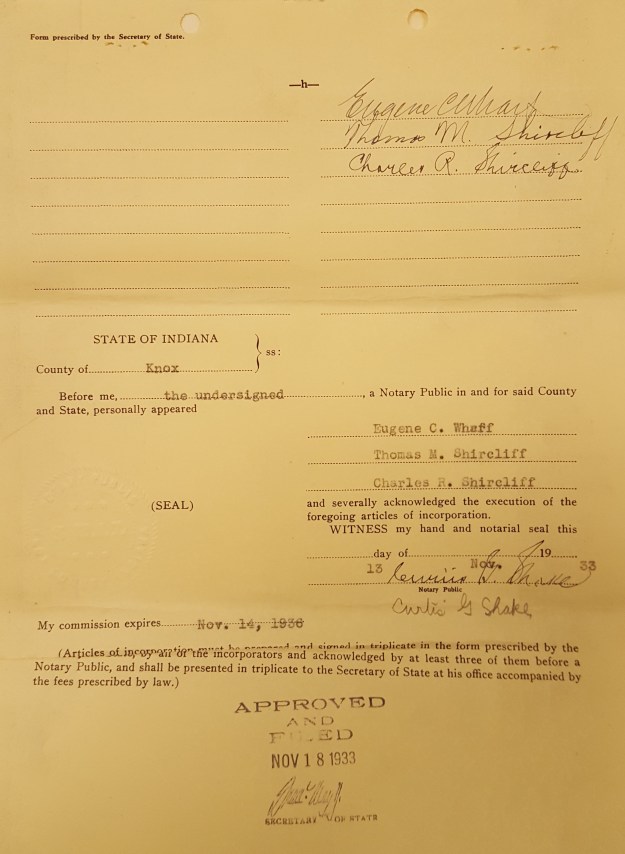
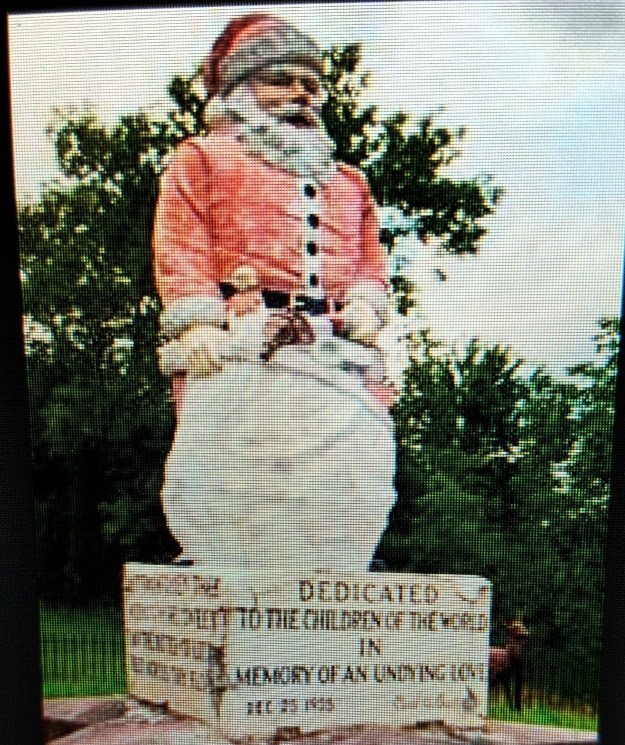
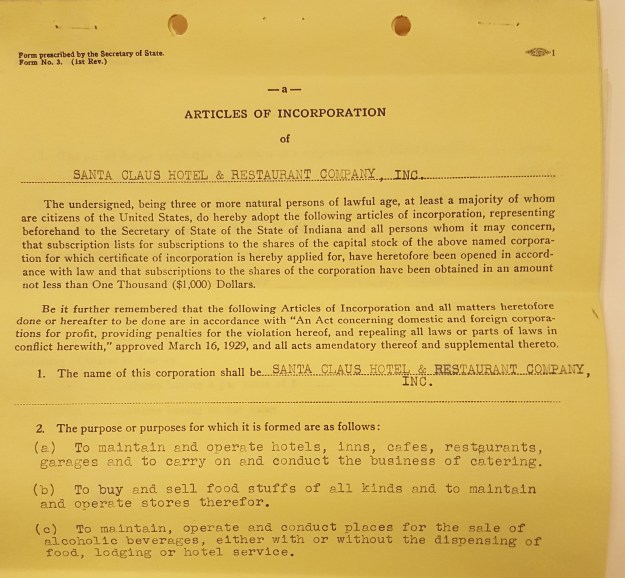
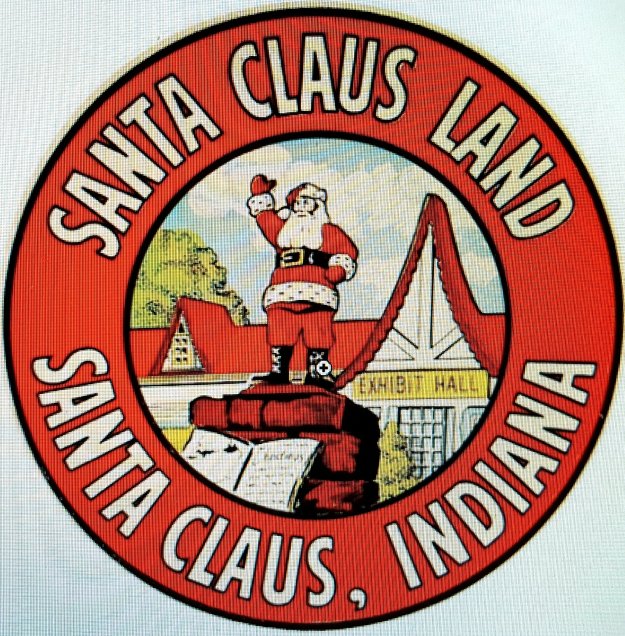 When I was a boy in the 1950s my parents drove from Indianapolis, Indiana to southern Indiana to visit a village named Santa Claus where stood a huge Santa Claus statue. There I rode in a small train to view elf-like statues and visit the real Santa Claus. Many years later my wife and I took our kids to Santa Claus, Indiana to visit the expanded Holiday World and ride the roller coaster, a water log ride, and several kiddie rides. Also, to visit a very authentic-looking Santa Claus in a room filled with colorful Christmas decorations.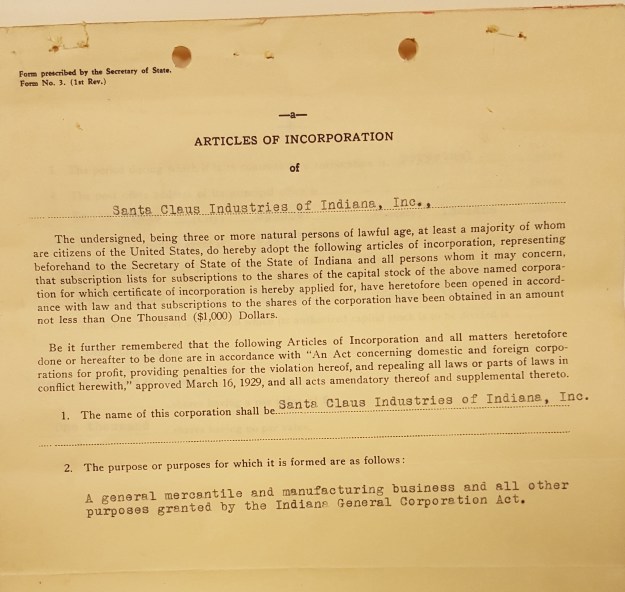

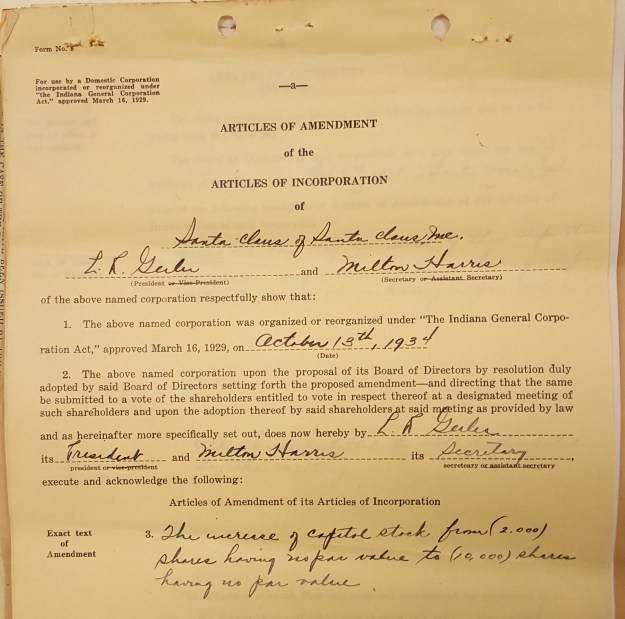
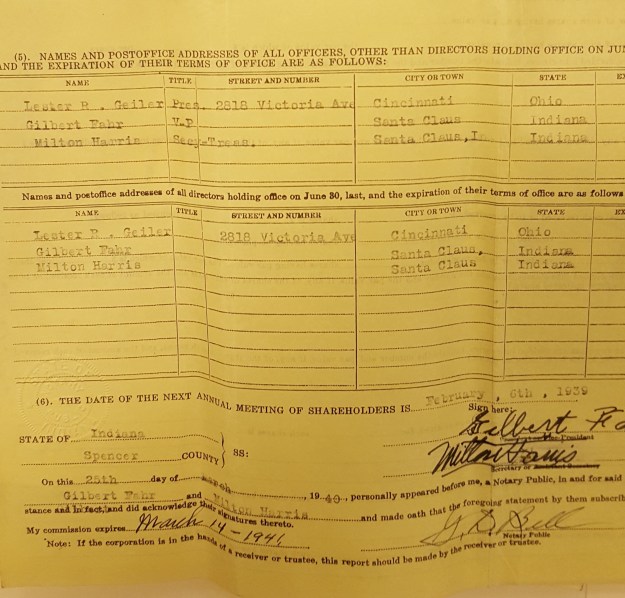

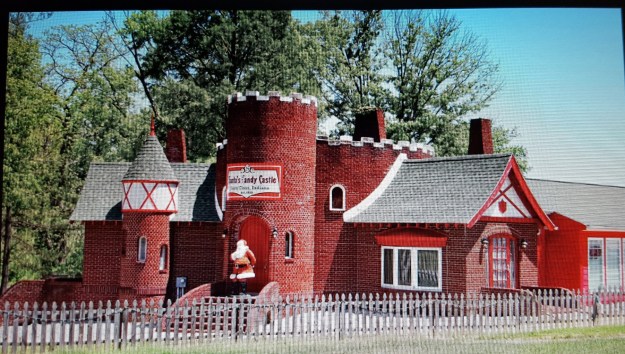
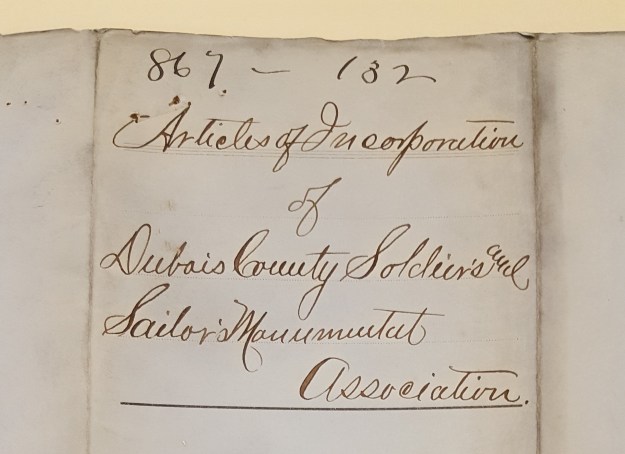
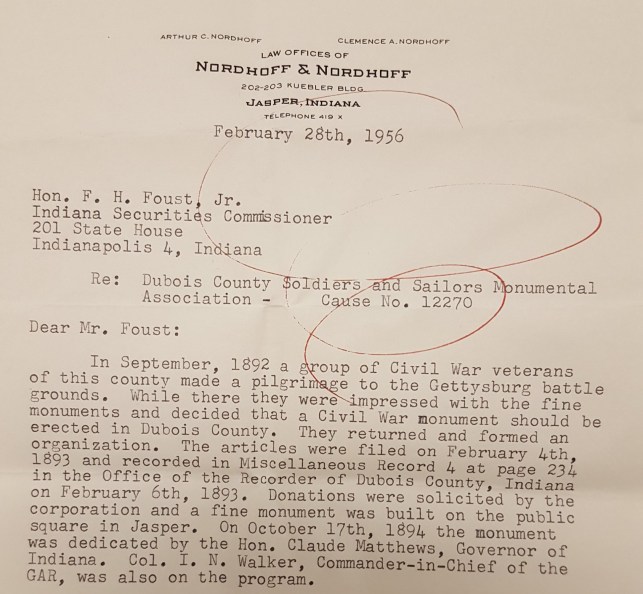
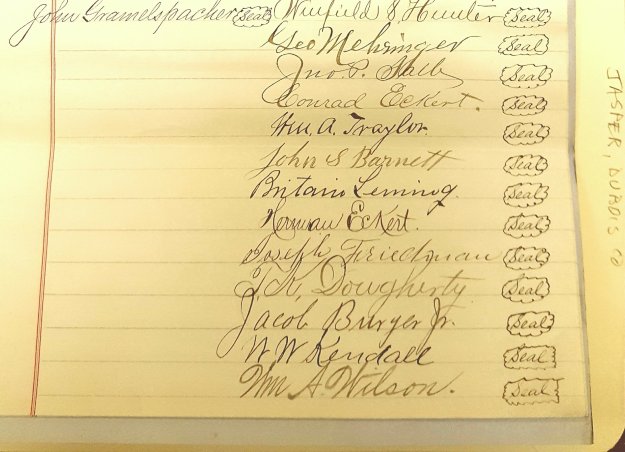
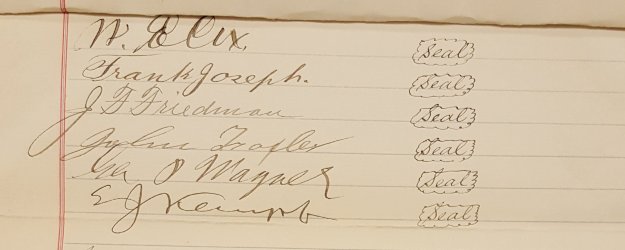 These were a diverse group of veterans and non-veterans who donated their time and money for commemoration of a cause they felt was the most important event of their lives, and they wanted the sacrifices made by the soldiers of the union cause should not be forgotten. This list of men included Dubois County leaders, attorneys, physicians, merchants, and a farmer who was a Medal of Honor winner.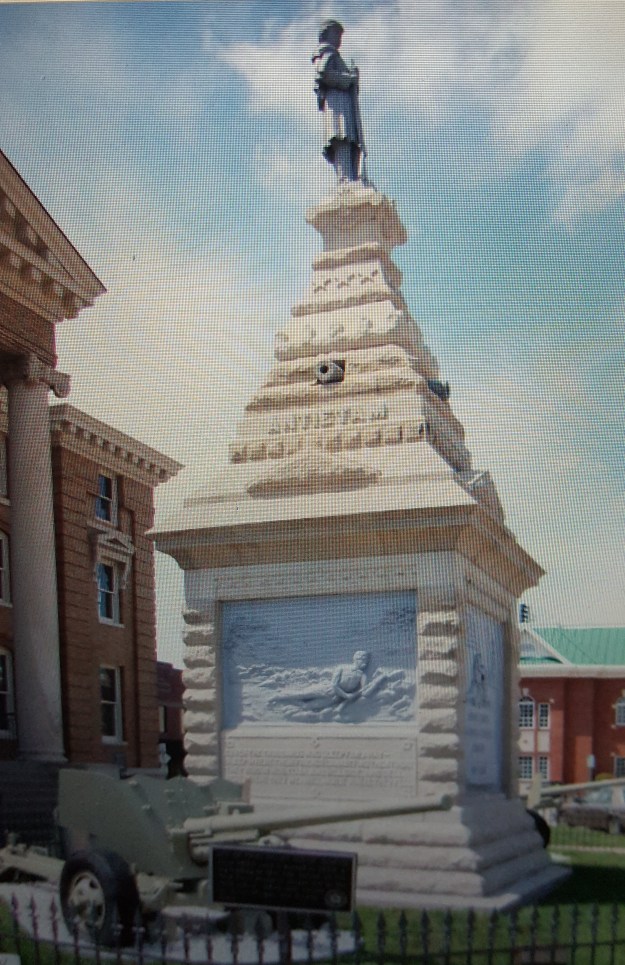
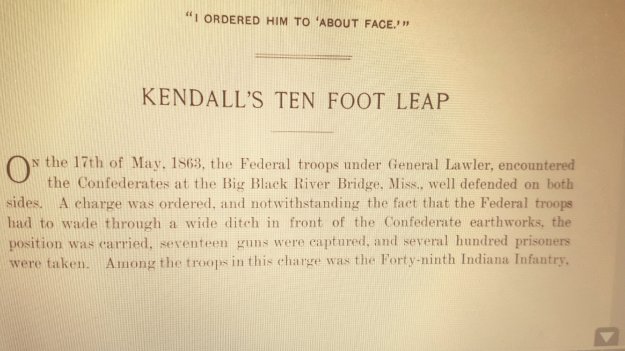
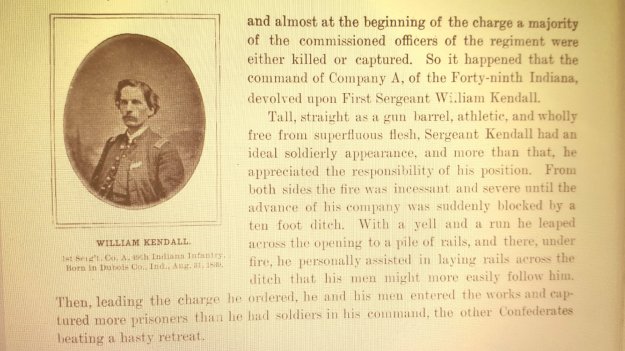
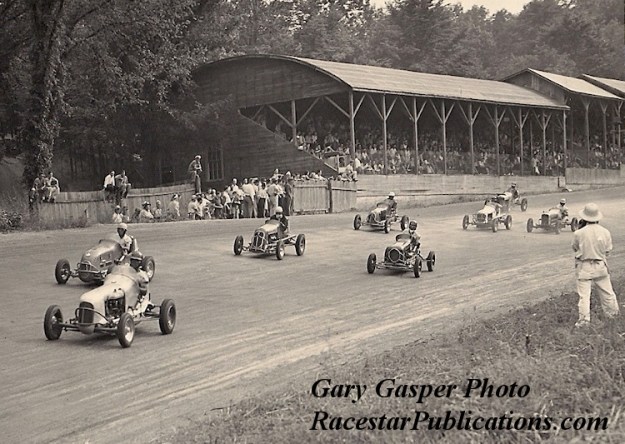 report was sent to the Secretary of State of Indiana in 1938. This sprint car race track, which was within the Jungle Park Resort, was located in Parke County, Indiana, near Bloomingdale, Indiana, and ten miles north of Rockville, Indiana. It was close to Sugar Creek and Turkey Run State Park.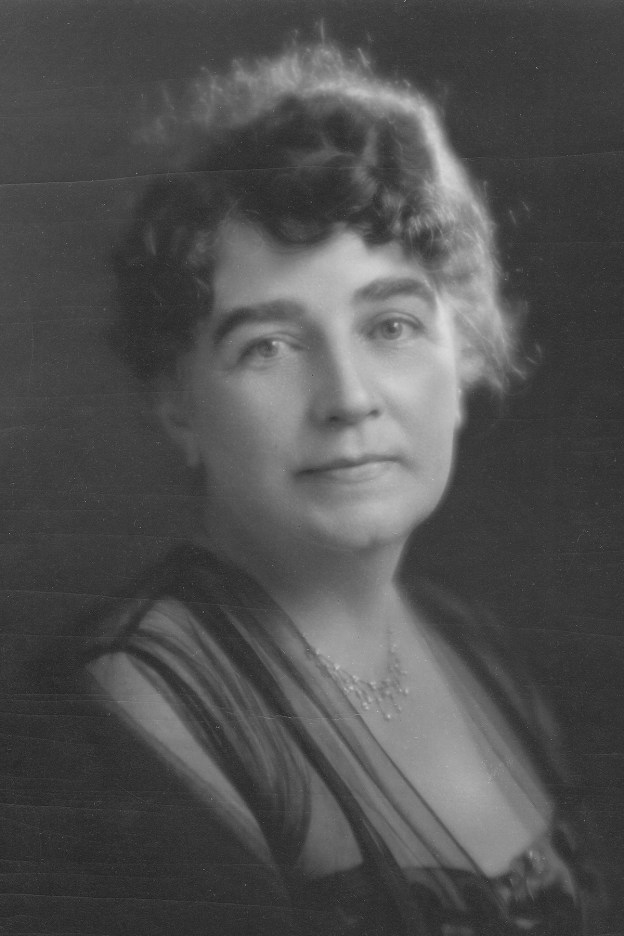
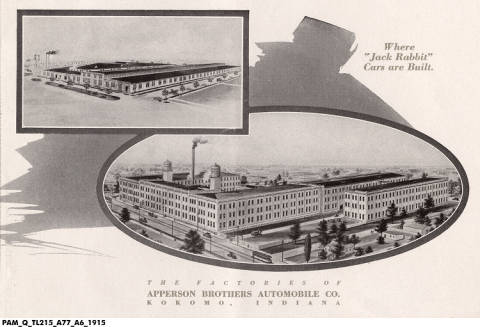
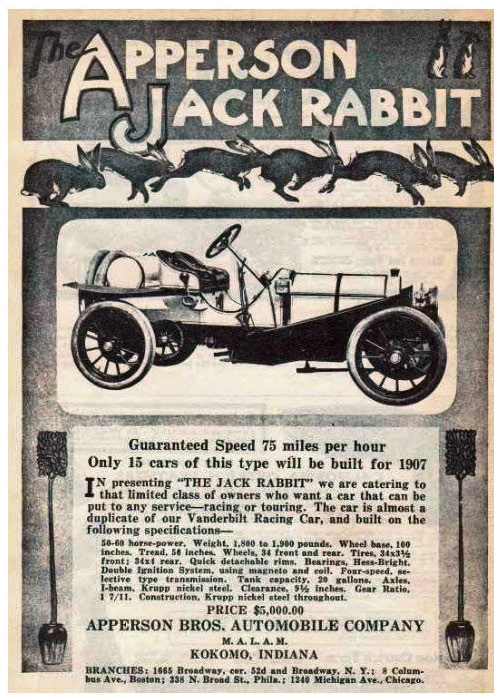 Elmer died in 1920 and Edgar sold his stock in the company and retired from the business in 1924 when the company was in financial trouble. It went bankrupt in 1926. Though, according to the corporate papers, Edgar was a director in the newly formed Pioneer Automobile Company, but it was not successful. It is interesting that the treasurer of the Apperson company, A. G. Dawson, and the company’s Vice President, B.C. Buxton, hung in as directors of the Pioneer Company, along with E. B. Barnes, a local lawyer, and three out-of-town investors. The company must have had too much debt.

